- Call on : 1.9047881185
- Open Hours : 8:00 am - 5:00 pm

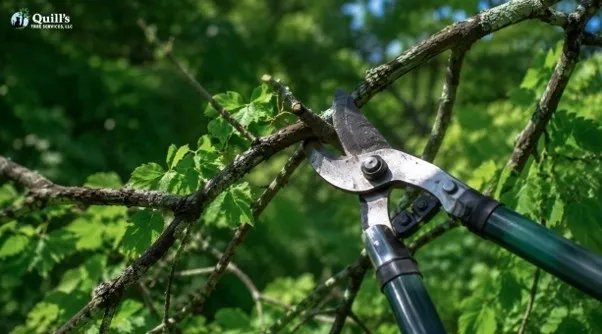
Trees don’t respond well to random cuts. They respond to structure, timing, and precision. That’s exactly why professional pruning consistently outperforms basic cutting. Homeowners often search for tree trimming pruning Saint Johns FL because they want safer properties, cleaner yards, and long-term tree health, not just quick branch removal that looks neat for a few weeks.
Why Random Cutting Fails to Respect Tree Structure?
Basic cutting usually follows one rule: remove what looks inconvenient. That approach ignores how trees actually grow. This creates problems like:
Trees are not like hedges. Cutting them without structure can slowly weaken their internal balance. So what looks like a quick fix often becomes a long-term issue.
How Professionals Read a Tree Before Touching a Single Branch?
Professional pruning starts with analysis, not cutting. Experts study:
This step matters because every cut changes future growth. A wrong cut can permanently shift how a tree develops. That’s why structured pruning always begins with planning instead of tools.
A tree does not “reset” after cutting. It reacts. Basic cutting often leads to:
So the tree may look cleaner for a short time, but the underlying structure becomes weaker. That is where professional methods create a clear separation in results.
Storm resistance is not luck. It is structured. Professionals reduce risk by:
This matters a lot in Florida conditions, where wind and rain stress trees regularly. A poorly shaped tree behaves like a sail during storms. A properly pruned tree moves with less resistance and breaks less often. In some cases, tree trimming pruning St Augustine services focus heavily on this exact issue because coastal weather patterns increase wind pressure and salt stress on trees.
Most homeowners think pruning is about looks. That’s only part of the story. Yes, pruning improves:
Structure is given more importance than appearance in professional settings. A good-looking tree that is structurally weak still poses a risk. So appearance becomes a result of proper structure, not the main objective.
Many tree issues begin inside the canopy or near the base, where they go unnoticed by homeowners. Professionals actively check for:
Basic cutting misses these issues completely because it only targets visible problems. It’s in that gap that long-term damage tends to start. Over time, this hidden stress weakens the structure and increases the risk of sudden branch failure.
More cutting does not mean better pruning. In fact, excessive cutting can:
Professional pruning focuses on direction, not volume. The goal is to guide future growth so the tree develops strength instead of uncontrolled expansion. This is also why structured services like tree trimming and pruning are designed around long-term canopy planning, not just short-term cleanup.
Safety improvements happen in very practical ways:
• Reduced risk of falling limbs near driveways
• Clearer visibility around walkways
• Less interference with roofs and fences
• Lower chance of storm-related breakage
So pruning directly affects how safe a property feels and functions, not just how it looks. It also helps reduce unexpected risks during storms and daily use. Over time, well-managed trees stay lighter, more balanced, and less likely to fail under pressure. That means fewer emergency situations, fewer property surprises, and more peace of mind for homeowners who deal with heavy growth or storm-prone conditions.
Basic cutting removes branches, but it does not guide how a tree grows over time. Professional pruning shapes structure, removes weak growth patterns, and improves long-term safety. That difference explains why structured care delivers stronger results, especially in situations where trees affect roofs, driveways, and property balance. It also explains why homeowners searching for tree trimming pruning, Saint Johns, FL often prefer skilled, planned work over quick cuts that only fix surface issues.
One method focuses on speed. The other focuses on long-term stability. One only solves visible issues. The other prevents hidden risks from building up again. That is why professional services matter when trees start growing unevenly or show stress after storms.
For properties dealing with overgrowth or storm stress, Quill’s Tree Services, LLC brings structured care that keeps trees stable, safe, and well-managed. Reliable pruning ensures healthier growth, better control, and fewer future hazards across residential and commercial spaces.
1. Why is professional tree pruning better than basic cutting?
Professional pruning guides growth, improves structure, and prevents long-term damage that basic cutting often ignores completely.
2. Does pruning really improve storm safety for trees?
Yes, pruning reduces weak limbs and improves balance, helping trees withstand strong winds and heavy rain more effectively.
3. What problems does basic tree cutting create over time?
Basic cutting causes weak regrowth, uneven structure, pest entry points, and long-term instability within the tree system.
4. How often should trees be professionally pruned?
Most trees benefit from pruning every one to three years, depending on species and growth conditions.
5. Does pruning improve property appearance, too?
Yes, proper pruning improves shape, light flow, visibility, and overall yard appearance as a natural result.