- Call on : 1.9047881185
- Open Hours : 8:00 am - 5:00 pm

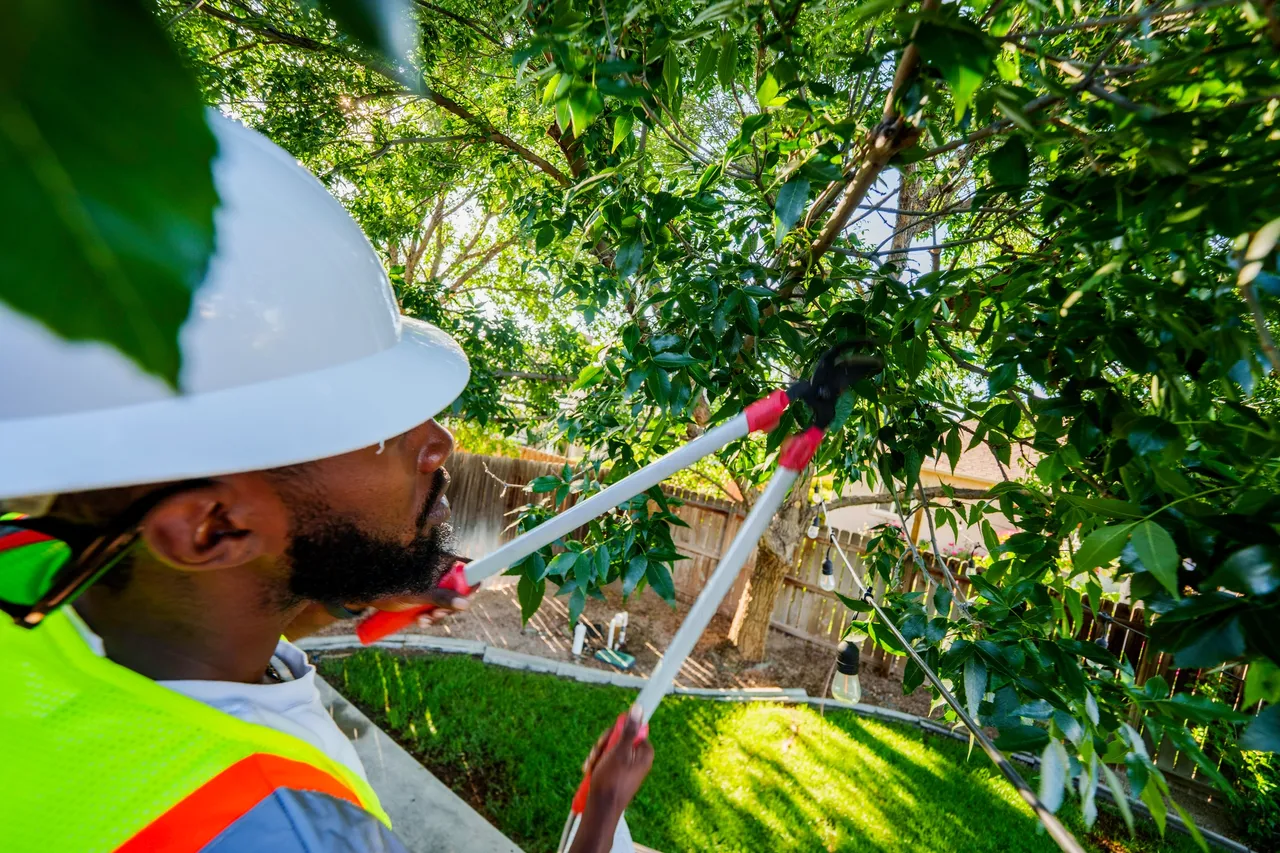
Imagine stepping into an outdoor space where every tree thrives with energy and health—this is the promise of expert tree care. Professional tree care is not just about pruning or removal; it’s an ongoing commitment to nurturing the natural assets of your environment. In regions like St. Augustine, Jacksonville, and Orange Park, where seasonal shifts and local climate challenges are common, understanding the techniques and timing involved in tree maintenance is essential.
In this guide, you will discover:
By learning about these aspects, you’ll gain valuable insights into how professional tree care preserves both the beauty and safety of your outdoor spaces. This introduction sets the stage for a comprehensive exploration of expert techniques, empowering you to enhance your natural surroundings while ensuring longevity and resilience in your local landscape.
When it comes to maintaining healthy trees in local areas like St. Augustine, Jacksonville, and Orange Park, mastering the proper trimming and pruning techniques is essential. Follow these actionable steps to achieve optimal tree health and aesthetic appeal:
Tip: Timing is key—pruning during the dormant season can reduce stress on the tree while ensuring robust regrowth. By following these guided steps, you can enjoy professional-quality results right in your neighborhood.
What are the early signs that a tree might be unhealthy?
Look for symptoms like discolored leaves, premature leaf drop, or signs of fungal growth. These indicators often point to issues such as pest infestations or nutrient imbalances that can weaken a tree over time.
How can I spot a pest infestation in my trees?
Check for unusual holes in the bark, sticky residue, or clusters of insects, particularly during seasonal transitions. Regular inspections in areas like St. Augustine, Jacksonville, and Orange Park help catch these problems early.
What steps should be taken to address tree diseases?
Experts recommend proper pruning, removal of dead branches, and the timely application of eco-friendly treatments. These measures help manage fungal infections and prevent decay from spreading.
How can storm damage be mitigated?
Ensuring trees are well-maintained through thinning and structural support reduces the risk of storm-related limb failure. Routine care minimizes hazards during high winds and heavy rain.
When is it necessary to consult a professional arborist?
If significant structural damage, deep-root decay, or rapid decline in a tree’s health is observed, seeking expert advice is essential. Regular preventive care is key to long-term vitality.
Smart Techniques for Year-Round Tree Health
Maintaining robust trees through every season requires understanding their unique needs and proactive care strategies. By following these practical tips, you can ensure healthy growth and longevity for your trees throughout the year. Early spring is ideal for pruning and fertilizing, which encourages vibrant new growth. As summer arrives and temperatures soar, regular watering becomes crucial to offset heat stress and prevent dehydration. In areas like St. Augustine, Jacksonville, and Orange Park, adjusting irrigation schedules to match local climate conditions can make a significant difference.
Here are some actionable tips to consider:
Implementing these seasonal strategies not only reduces stress on trees but also supports overall arborist practices that prioritize tree health and sustainability. This comprehensive approach helps cultivate resilient landscapes for any region.
Expert tree care is more than routine maintenance—it’s an investment in the health and future of your outdoor spaces. Throughout this guide, you’ve discovered the essential practices and strategic insights needed to preserve the vibrancy and safety of your trees. A rigorous approach to tree care not only enhances curb appeal but also safeguards your property in regions like St. Augustine, Jacksonville, and Orange Park.
Key takeaways include:
For those seeking to improve their tree maintenance routine, consider these actionable steps:
Embracing these practices will yield a safer, more aesthetically pleasing landscape that stands the test of time. Remember, proactive tree care today helps secure a greener, healthier environment tomorrow. Stay dedicated to nurturing your outdoor haven and enjoy the lasting benefits.