- Call on : 1.9047881185
- Open Hours : 8:00 am - 5:00 pm

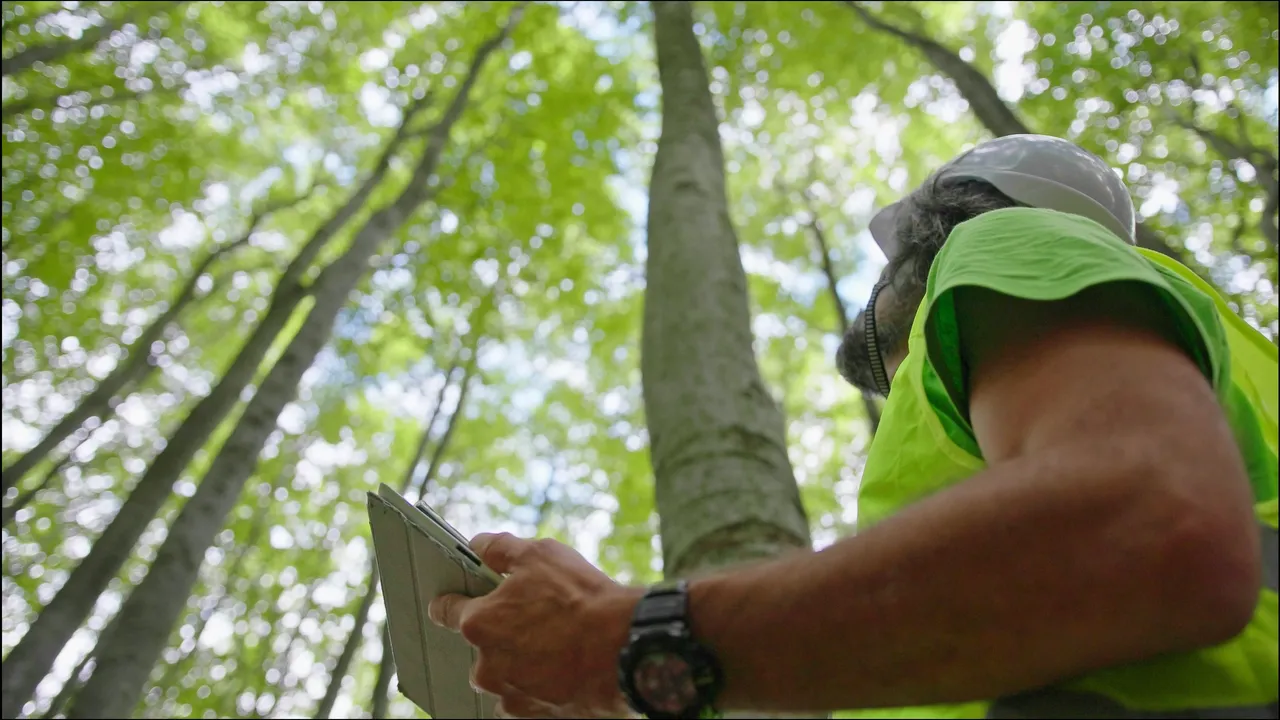
Imagine enhancing your property’s value, safety, and curb appeal simply by caring for your trees. In busy urban areas where space and aesthetics are key, proper tree maintenance is not just a luxury—it’s a necessity. Whether you reside in Jacksonville, St. Augustine, or Orange Park, maintaining robust and healthy trees can transform your outdoor space into a safer and more attractive environment.
Studies reveal that a well-kept tree canopy can boost property appeal while reducing hazards. In this guide, you’ll uncover actionable strategies to:
With clear explanations of industry-standard practices and easy-to-apply tips, you’ll gain the insights needed to mitigate common tree-related challenges. This engaging introduction sets the stage for an in-depth exploration of expert tree care, ensuring that your urban landscape remains resilient, aesthetically pleasing, and safe for all.
Begin your journey to a vibrant urban landscape by following this comprehensive seasonal tree care guide. Whether spring bloom or winter chill, each season demands specific attention to nurture your trees.
Urban trees can face a variety of challenges that compromise their vitality and aesthetic appeal. Common issues include fungal diseases, bacterial infections, and a host of invasive pests that weaken trees over time. For example, fungal infections like powdery mildew or root rot can spread quickly in dense urban settings, while pests such as aphids and borers target healthy foliage and bark. In many instances, proactive and integrated management practices are key.
Practical solutions include:
Homeowners in urban regions such as Jacksonville and Orange Park can benefit from these preventive techniques by ensuring their trees remain resilient and visually appealing. With vigilant observation and timely intervention, urban landscapes not only retain their beauty but also contribute to a healthier environment.
In bustling urban settings, professional tree care isn’t just about aesthetics—it’s a crucial component of safety and efficiency. Expert arborists bring years of knowledge and modern techniques to ensure your trees not only enhance curb appeal but also reduce risks associated with urban hazards. By relying on trained professionals, homeowners in cities like Jacksonville, St. Augustine, and Orange Park benefit from meticulous trimming, pruning, and removal services that minimize property damage and potential accidents.
Professional teams assess each tree’s condition, tailoring services that promote long-term health and structural integrity. This proactive approach can prevent overgrowth and disease, ultimately lowering the chances of falling branches during extreme weather. Additionally, using state-of-the-art equipment ensures efficient execution, reducing disruption to your daily routine.
Key advantages include:
By investing in expert tree services, urban homeowners create safer, more enjoyable outdoor spaces. Embrace these practical tips to transform your urban landscape into a vibrant, secure haven that stands the test of time.
Q: How often should I prune my urban trees?
Regular pruning every 1-2 years helps remove dead limbs and encourages healthy growth. Pruning minimizes risks such as broken branches during storms and promotes a balanced canopy.
Q: What signs indicate that a tree might need removal?
If you notice extensive decay, unstable structures, or disease spread, it may be time for removal. Urban trees showing significant dieback or hazardous leaning should be inspected promptly by a professional.
Q: How can I maintain healthy trees in an urban landscape?
Adopt a proactive approach by scheduling periodic inspections, proper fertilization, and timely pruning. Healthy soil and adequate water are essential to support vibrant growth even amidst city challenges.
Q: What precautions should be taken during tree maintenance?
Ensure safety by avoiding work during high winds or wet conditions. Use proper equipment, maintain clear work zones, and hire certified tree care experts who understand urban safety standards.
Q: When is the best season for tree care efforts?
Late winter to early spring is ideal for pruning and preventive care, reducing stress on trees while setting them up for a robust growing season in urban environments.
In wrapping up this comprehensive guide, it’s clear that proactive tree care is essential for maintaining the beauty and safety of urban landscapes. By focusing on regular pruning, timely hazard removal, and consistent disease management, you can promote not only the vitality of your trees but also the overall appeal of your surroundings. Actionable steps include scheduling seasonal inspections, incorporating proper watering routines, and adopting best practices for tree trimming. This approach helps mitigate risks during storms and prevents long-term damage that could affect both aesthetics and property value in local areas such as Jacksonville and Orange Park.
Key takeaways:
• Routine maintenance plays a crucial role in preventing costly arboricultural issues.
• Thoughtful pruning techniques promote growth and structural integrity.
• Strategic planning and proactive care make urban environments safer and more attractive.
Embrace these expert insights and take the next steps toward a healthier urban canopy. Your commitment to nurturing trees today lays the groundwork for a greener, more resilient future.