- Call on : 1.9047881185
- Open Hours : 8:00 am - 5:00 pm

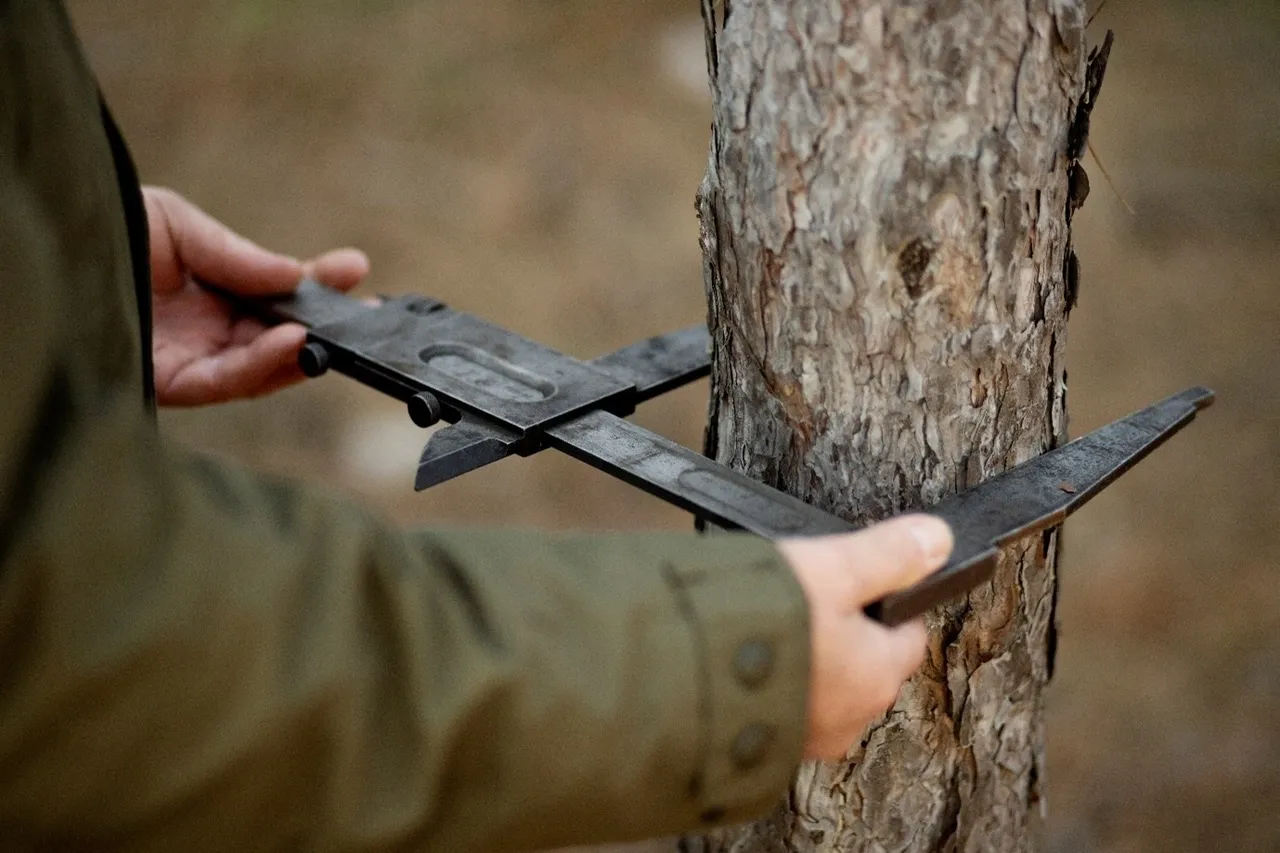
Trees add shade, beauty, and life to a yard. Still, not every tree grows strong roots. Some begin to lean, shake in the wind, or shift in soft soil. That usually signals trouble. Property owners often call tree removal services St Augustine once these warning signs appear.
Weak roots create a serious risk. A sudden gust, heavy rain, or storm may knock the tree down. So trained crews inspect the situation first. They plan each step carefully, remove danger, and keep the yard safe during the process.
Roots grow underground, so problems stay hidden for a long time. Small issues in the yard often damage them little by little.
Common causes include:
These issues reduce support. Over time, the tree loses its grip on the ground.
Trees often show signs before falling. A close look around the base helps spot the problem early.
Watch for signals like:
These signs suggest the roots struggle. Therefore, quick action keeps homes and yards safe.
A tree with weak roots cannot hold steady during wind or rain. The trunk shifts more easily, and branches carry heavy weight. Problems may include:
Therefore, removing unstable trees prevents damage before it starts.
Trained crews never rush into removal. They study the tree and the surrounding space first. During inspection, they check:
This quick assessment helps them plan a safe removal path.
Tree removal requires strong tools and safety gear. Each tool helps control the movement of heavy wood.
Workers usually bring:
With the right equipment, crews manage each cut safely.
Large trees rarely fall in one piece. Instead, professionals remove them section by section. First, workers clear the area. Vehicles and yard items move away. Then they trim small branches. This reduces weight and balance problems. Next, they cut larger limbs while ropes guide each piece down slowly. Finally, the trunk comes down in controlled sections. This careful process protects nearby structures. After removal, crews often perform tree removal stump grinding FL so the yard stays smooth and usable.
A leftover stump may look harmless, but it causes several yard issues. For example:
Grinding solves these problems quickly. Crews break the stump into small chips. After that, the ground becomes level again. Property owners often request tree removal stump grinding during the same visit to finish the job properly.
Tree work involves risk. Still, trained crews follow clear safety steps. Their routine often includes:
These steps prevent accidents and protect nearby property.
Florida weather creates extra stress for trees. Heavy rain loosens soil, while strong winds push tall trunks. A healthy root system handles this pressure. Weak roots struggle. As a result, unstable trees may fall days after a storm passes. Removing risky trees early reduces this danger. Crews also clear debris and perform tree removal stump grinding, so yards return to normal quickly.
Removing a tree may look simple from a distance. Still, large trunks weigh thousands of pounds. One wrong cut may send the tree crashing into a roof or fence. Professional crews understand balance, weight, and cutting angles. They control every step and guide each section safely to the ground. Sometimes they even save a tree through pruning instead of removing it. Still, when roots fail, removal becomes the safest option.
Weak roots turn a strong tree into a serious yard hazard. Leaning trunks, cracked soil, and exposed roots often signal danger ahead. Skilled crews inspect the tree, plan the cuts, and remove it piece by piece. Property owners often rely on tree removal services St Augustine to handle unstable trees safely.
A smooth yard matters after the job ends. That is why many projects include tree removal stump grinding, so the ground looks clean and ready for grass or plants.
Quill’s Tree Services, LLC helps homeowners handle risky trees with care and skill. The team provides trimming, removal, debris cleanup, and stump grinding across Northeast Florida. Our work keeps yards safer and properties looking neat. Property owners trust us for dependable tree care solutions.
(1) What causes a tree to develop weak roots?
Heavy rain, poor soil, root damage, disease, and crowded planting can weaken a tree’s root system over time.
(2) How can homeowners tell if a tree has weak roots?
Look for leaning trunks, cracked soil near the base, exposed roots, mushrooms, or thin leaves during the growing season.
(3) Why are trees with weak roots dangerous?
Weak roots cannot anchor the tree well, so strong winds or storms may cause sudden collapse.
(4) Do professionals remove weak-rooted trees safely?
Yes. Trained crews inspect the tree, plan cutting angles, and remove sections carefully using ropes and safety gear.
(5) Why is stump grinding recommended after tree removal?
Stump grinding removes tripping hazards, prevents insect activity, and keeps the yard level and ready for landscaping.