- Call on : 1.9047881185
- Open Hours : 8:00 am - 5:00 pm

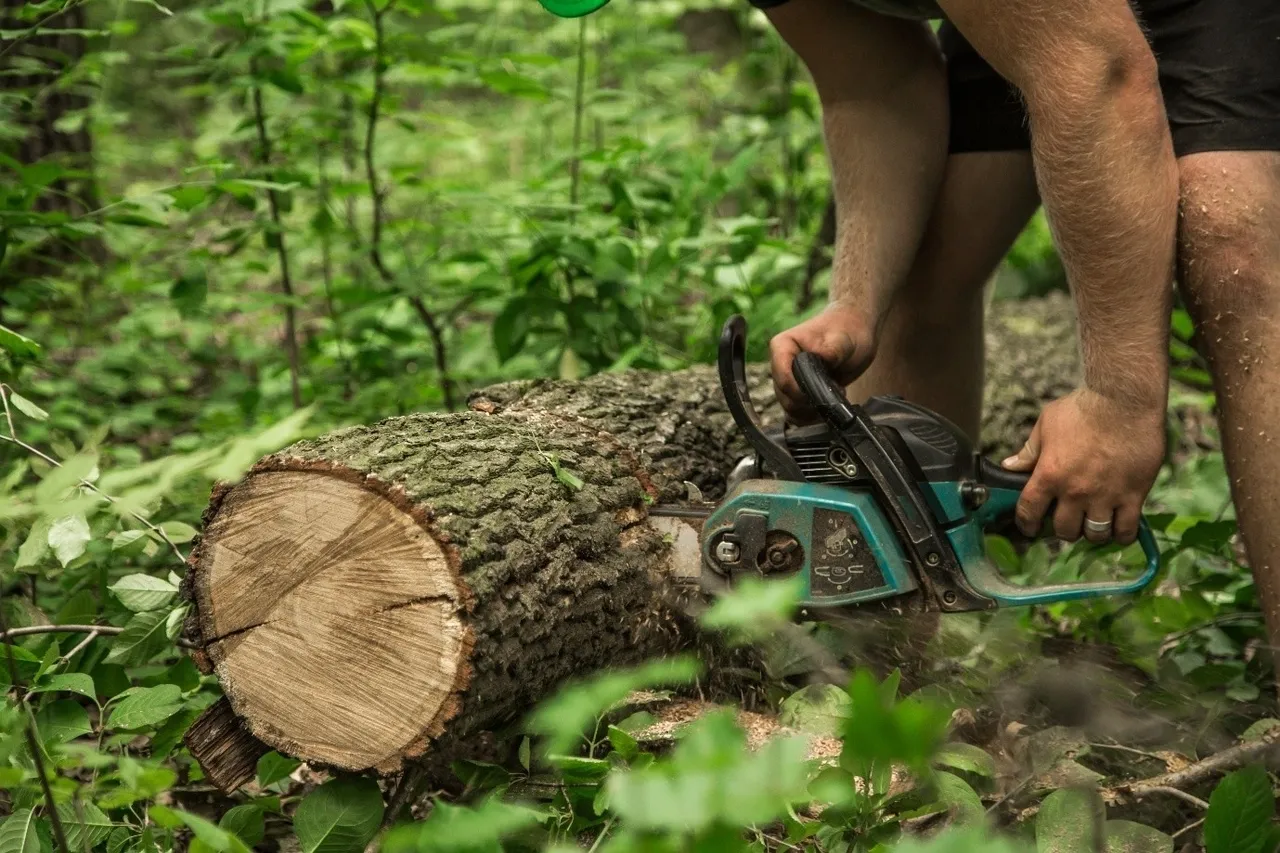
Why does grass refuse to grow where a tree once stood? Many homeowners expect the lawn to recover quickly after tree removal. Instead, the area stays bare and uneven. The leftover stump and roots keep the soil crowded, dry, and compact. Professional stump grinding services Saint Johns FL, remove that obstacle and help the ground recover so grass can grow again.
Trees rely on large root systems that spread widely underground. Even after the tree trunk gets removed, many of those roots remain buried in the soil.
These leftover roots crowd the ground and reduce the space available for grass roots. The soil around the stump also becomes compact because of years of pressure from the tree’s base. As a result, grass struggles to grow in that spot, and the lawn develops a visible patch.
A stump may appear harmless, but it affects the yard in several ways. Over time, the remaining wood slowly decays and attracts insects, fungi, and moisture problems.
Homeowners may notice grass thinning around the stump area. Lawn equipment can also hit the hard surface when mowing. While the tree above ground is gone, the stump continues affecting the lawn and surrounding soil.
Stump grinding services St Augustine crews remove leftover stumps by cutting them below the soil surface. Once the stump disappears, the soil becomes open again. Water spreads more evenly, sunlight reaches the ground properly, and grass roots gain space to grow. This process creates the foundation needed for the lawn to recover.
A leftover stump usually creates a raised or uneven section in the yard. That bump affects how water flows across the lawn.
Rainwater often runs away from uneven spots instead of soaking into the soil. Grass struggles in those areas because it receives less moisture and root support. Grinding the stump removes that raised section and helps restore a level lawn surface.
Tree roots do not disappear immediately after the tree is cut. Large roots remain underground for years and continue affecting the soil.
These roots compete with grass for water and nutrients. They also block new grassroots from spreading through the soil. Stump grinding breaks the main root system and allows the remaining roots to decompose naturally over time.
Soil around a stump often becomes dry and tightly packed. Grass seeds struggle to grow in those conditions.
After stump grinding, the area can be filled with fresh soil or mixed with organic material. This improves soil texture and allows air, water, and nutrients to move more freely through the ground. Healthier soil gives grass a better chance to grow strong.
Many yard improvement plans start with clearing the space completely. A stump standing in the middle of the lawn limits landscaping options.
Whether homeowners want to plant flowers, install new sod, or create a garden bed, open ground makes the work easier. Grinding the stump removes the obstruction and gives landscapers a clean area to work with.
Tree stumps can also create safety issues around the property. People walking through the yard may trip over the raised surface.
Children and pets running across the lawn may not notice the obstacle. Lawn equipment can also become damaged if it strikes the stump during mowing. Removing the stump makes the yard safer and easier to maintain.
Healthy grass spreads through small underground roots that expand across the soil. When a stump sits in the middle of the yard, it blocks that natural spreading process.
After stump grinding removes the obstruction, grass roots can travel freely through the ground. Over time, the empty patch begins blending into the rest of the lawn as new grass fills the space.
Storms frequently knock down trees across residential properties. Cleanup crews usually remove the fallen trunk first, but the stump often remains in the yard.
That leftover stump can damage the lawn and make landscaping difficult. Grinding the stump during storm cleanup helps restore the yard and prepares the ground for new grass growth.
Professional stump grinding involves specialised equipment designed to remove the stump safely and efficiently. The crew first inspects the stump and the surrounding area.
The grinding machine then cuts the wood below the soil surface and turns it into small chips. After grinding, workers clear excess debris and level the ground. The area can then be prepared for soil repair, grass seed, or fresh sod.
Removing a tree does not always restore the lawn immediately. The remaining stump and roots continue affecting the soil long after the tree disappears. These underground obstacles prevent grass from growing evenly and keep the ground compact.
Stump grinding services Saint Johns, FL, remove the leftover wood, improve soil conditions, and create space for healthy grass to grow again. For homeowners in Northeast Florida, Quill’s Tree Services, LLC provides stump grinding, tree removal, trimming, and storm cleanup services. Our team helps property owners restore their yards and maintain healthier outdoor spaces.
(1) Why does grass struggle to grow after tree removal?
Tree roots remain underground, compacting soil and limiting nutrients needed for healthy grass growth.
(2) How does stump grinding help grass grow again?
Grinding removes the stump and opens the soil, allowing water, air, and grass roots to spread easily.
(3) How deep do stump grinding machines remove stumps?
Most professional stump grinders remove stumps about 6–12 inches below the soil surface.
(4) Can grass grow immediately after stump grinding?
Grass can grow after soil repair, leveling, and adding fresh seed or sod.
(5) Does stump grinding remove all tree roots?
Grinding removes the main stump, while smaller roots naturally decay and enrich the soil over time.