- Call on : 1.9047881185
- Open Hours : 8:00 am - 5:00 pm

A dangerous tree rarely creates just one problem. It may threaten a roof, crowd a driveway, interfere with future property projects, or leave behind hazards that remain long after the trunk is gone. That is why professional tree removal services Saint Johns FL, involve much more than cutting down a tree. The process focuses on safety, property protection, cleanup, and long-term risk reduction so homeowners can regain control of their outdoor space with confidence.
Property owners sometimes assume removal becomes necessary as soon as a tree shows signs of trouble. In reality, professionals first determine if the tree can remain safely on the property. A detailed assessment helps identify structural concerns, storm damage, disease, root issues, and safety risks. This evaluation helps answer an important question: Does the tree truly need removal, or can another solution address the problem? By taking this step first, property owners avoid unnecessary work and gain a clearer understanding of the risks surrounding the tree.
A healthy tree can still create serious concerns if it grows too close to structures or utility connections. Over time, expanding branches and roots may affect areas that were never designed to support continued growth. Common concerns include:
These conditions often become more problematic during severe weather. A tree that once seemed harmless can gradually become a significant property risk.
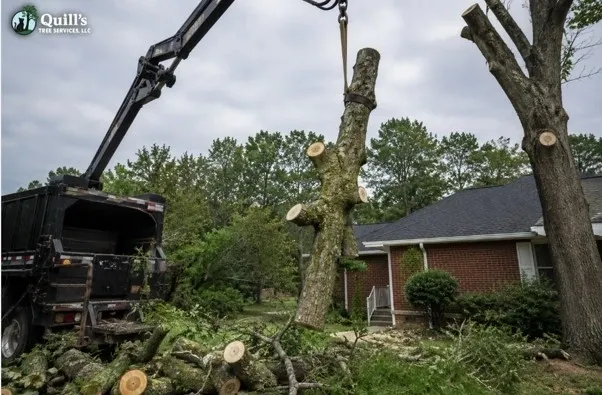
Tree removal involves much more than dropping a tree into an open space. Most residential and commercial properties contain structures, vehicles, landscaping, and utility connections that require protection throughout the removal process. Professionals often remove large trees in carefully planned sections. Limbs come down first. Larger branches follow. Then, sections of the trunk are removed in a controlled manner. This approach helps protect:
Controlled dismantling reduces the chance of accidental damage while allowing crews to work safely within tight spaces.
A lot of people focus only on the tree. However, the cleanup process often becomes one of the largest parts of the project. A single tree can leave behind piles of branches, logs, leaves, and wood debris. Without proper cleanup, the property may remain difficult to use even after the tree is gone. Professional cleanup services typically include:
This service helps restore the property’s appearance and allows homeowners to use the space again without dealing with piles of leftover debris.
Removing the trunk does not always complete the job. The remaining stump can continue creating problems for years. Old stumps often:
For this reason, stump grinding frequently follows tree removal. Removing the stump helps property owners fully reclaim the space and prepare for future outdoor improvements.
Storm-related removals often present unique challenges. Strong winds, heavy rain, and saturated soil can weaken trees in ways that are not always easy to spot. A storm-damaged tree may contain:
These conditions make removal more complex because damaged trees can shift unexpectedly. This is also why property owners searching for tree removal services St Augustine often seek professional assistance after severe weather. Trees that appear stable from a distance may still contain damage that increases the risk of future failure.
Tree removal is often viewed as a reaction to an existing problem. However, it can also prevent future expenses. Removing a hazardous tree may help reduce the likelihood of:
Addressing known risks before they become emergencies often saves both time and money.
Some property owners focus on the final result. The tree is gone, and the job appears complete. However, the real value comes from everything that happens before, during, and after removal. Professional services provide:
Together, these services create a safer property while reducing the burden placed on homeowners and property managers.
Professional tree removal includes far more than cutting down a tree. It involves identifying risks, protecting nearby structures, managing debris, addressing storm damage, and helping property owners maintain safer outdoor spaces. These services play an important role in preventing future problems while improving the overall condition of a property.
Property owners seeking tree removal services Saint Johns, FL often benefit from working with a team that understands both safety and long-term property care. Quill’s Tree Services, LLC is a family-owned and veteran-owned company that provides tree removal, trimming, pruning, stump grinding, debris cleanup, and emergency tree services for residential and commercial properties. Our experienced team helps property owners address tree-related concerns while maintaining cleaner, safer, and more functional outdoor spaces.
1. How do professionals decide if a tree needs removal?
Professionals inspect tree health, structure, roots, and surrounding risks before recommending complete removal.
2. Does tree removal include cleaning up branches and debris?
Most professional tree removal services include debris cleanup, branch hauling, and site clearing.
3. Why should a stump be removed after tree removal?
Stump removal improves yard appearance, prevents pest issues, and creates more usable space.
4. Can storm-damaged trees become dangerous even if they remain standing?
Yes. Hidden cracks, root damage, and weakened limbs can lead to sudden tree failure.
5. How does tree removal help protect a property?
Tree removal reduces safety hazards, prevents structural damage, and lowers future repair expenses.